
A Game Changer in challenging the sociological consequences of COVID-19.
Since being in quarantine, I’ve participated in several discussions regarding the well-known pandemic that has swept the world into outrage, sadness, and pure fear for what normalcy will look and feel like after it all ends.
Through finding things to do during this time, I felt compelled to hear opinions from different fields, so I decided to have a discussion with my sociology professor, Dr. Ajilna Karamehic- Muratovic, or Dr. KM. A lot of what we focused on in her class, Intro to Sociology: Diversity and Health Emphasis, included how society as a whole plays a role in themes like gender, family, inequality, race, etc. It was fascinating to make these real-life connections when studying how COVID-19 had been affecting all of these groups as well.
I interviewed her to see her perspective as a sociology professor, someone who studies these concepts to understand how and why various groups in our country are being affected by the pandemic.
One more obvious aspect I noticed in my own community of metro-Detroit was the obvious trend of low-income communities, containing various minority groups like African Americans living at or below the poverty line experiencing exceedingly higher COVID-related. From the sociologist’s viewpoint, this isn’t a coincidence. It completely excludes any explanation of biology or personality, but rather focuses on the cultural factors that a majority of this group has been exposed to growing up. This includes the type of neighborhood they’re raised in, how healthy the food available is to them, and more notably, access to quality healthcare. In Metro-Detroit hospitals, there’s been a surge of patients arriving from Detroit, Pontiac, Flint… areas more known for having marginalized communities disconnected from the proper healthcare they need. From this, it’s become even more evident that because of these health inequalities, it’s come to the conclusion that perhaps not everyone is treated the same. In other words, are we really all equal? And who is at fault in the eyes of a sociological theorist? It’s the large institutions that makeup society, rather than the individuals themselves.
I was also particularly curious to see how Dr. KM was handling the drastic changes as a professor now transitioning to remote learning. I wanted to know what she was specifically doing to try to bridge these obvious unequal gaps in the education system to ensure all of her students were given an equal platform to perform well. She brought attention to access to the internet. Sure, the internet seems like a staple to a 21st-century home, however, in many cases, it’s not. Internet costs money, and sometimes affording high-speed internet lacks priority when families’ are juggling a job, paying bills, physically taking care of each other, etc. Dr. KM mentioned this has often been a large issue because not everyone can recreate their school environments at home. With that comes the inability to deliver assignments on time. However, she has been more flexible as a professor to help those students that can’t work around the things they can’t control.
I also have classmates from all over the world, which includes international students, who have to work one on one with Dr. KM to accommodate their needs in class. Once students leave campus, they are subjected back to the inequalities that may be present at home, leaving them at a disadvantage when receiving their education. But this comes back to society and how it functions that creates these disadvantages.
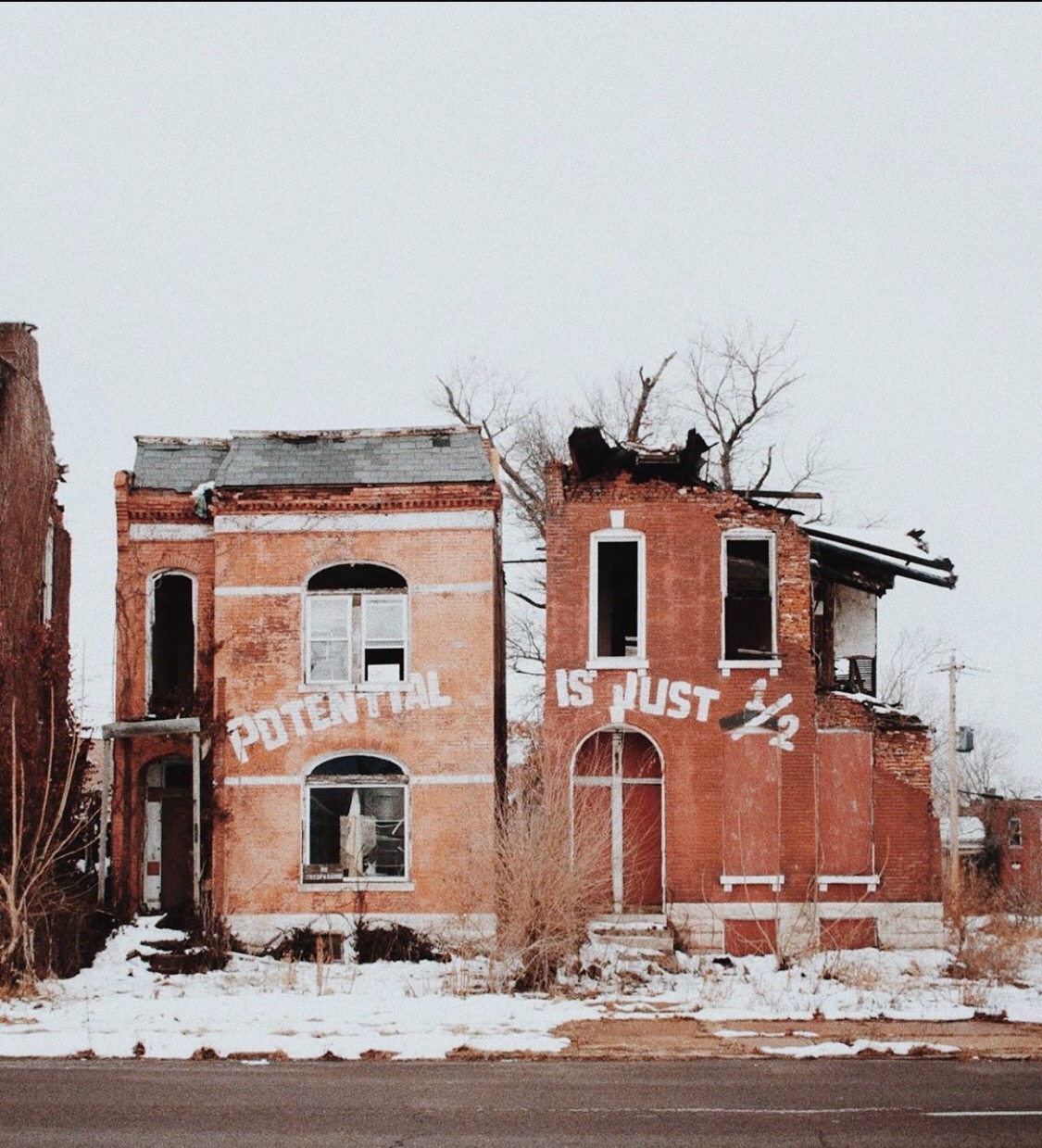
Along with these inequalities that COVID-19 has clearly unraveled, I was fascinated to hear about how she would think American culture as a whole is currently being socialized as we continue through the pandemic and make changes to our society. I wondered how Dr. KM thought our culture might change as a result of heightened “fears” associated with Asian Americans for “bringing the virus” and giving blame for COVID-19. She believed that the culture is already changing. Several of her own Asian American students have mentioned their own experiences with blatant discrimination during regular trips to grocery stores. Such as, they’ve been told to return to their own country and attacked with blame. Looking at a counterargument, where if we can’t refer to COVID as the Chinese virus, why were we allowed to call the pandemic in the early 1900s the Spanish Flu? For many reasons, society is progressing. We don’t allow certain things to slide, especially in a tumultuous environment filled with panic and uncertainty that already exists from the extent of the virus’s impact itself. Regardless, it still brings up the discussion as to whether or not society truly has changed (as most events leading to panic are blamed on one group) and from sociology’s point of view that race is a social construct.
Among the groups mentioned that are affected by COVID-19, I think it’s interesting to discuss how children growing up during the pandemic are being affected through early socialization. Dr. KM’s children, like many, are in the early ages of their lives where socialization really begins. They get shaped by factors like family, media, and school. She tried an activity with them, asking them to draw what they believed the virus looks like. One child drew a tornado, another drew a figure that resembled worms, and the last child drew earth invaded by red aliens. It was entertaining to imagine what seems so simple to an adult through a child’s eyes. I think it was interesting, however, to see from a sociological lens how though they might not understand the overall situation, they are aware that there’s something unheard of happening in their lives. It could be the result of the media that’s allowing them to understand that whatever COVID-19 is, it may not end in rainbows and sunshine. Observing how children grow up in this pandemic helps us also study why we are the way we are. It understands how our society tackles large issues and how the children growing up at this time are viewing the world differently from each.
So, why does it even matter to understand the consequential issues of the virus through a sociological perspective? This was a question Dr. KM always made sure we answered ourselves in class. I think it gives us an explanation of how the world functions. There are reasons discrepancies exist in our healthcare system, reasons for why we react in panic and blame, and reasons for how society changes after a globally impactful event like this. Sociology suggests that by understanding these reasons, we form communities to respond and react to these situations. It also teaches us how to make changes to our societies based on what we’ve come to understand about the world. The main takeaway I had with Dr. KM was that no one believed the impact that COVID had would get this far, revealed so much, and take so much away from us. It’s challenged our understanding of how powerful we are in our ability to control situations that we truly don’t know the future of. But it initiates change and allows us to grow and not repeat the same mistakes we made before.
 Personal Reflections
Leave a comment