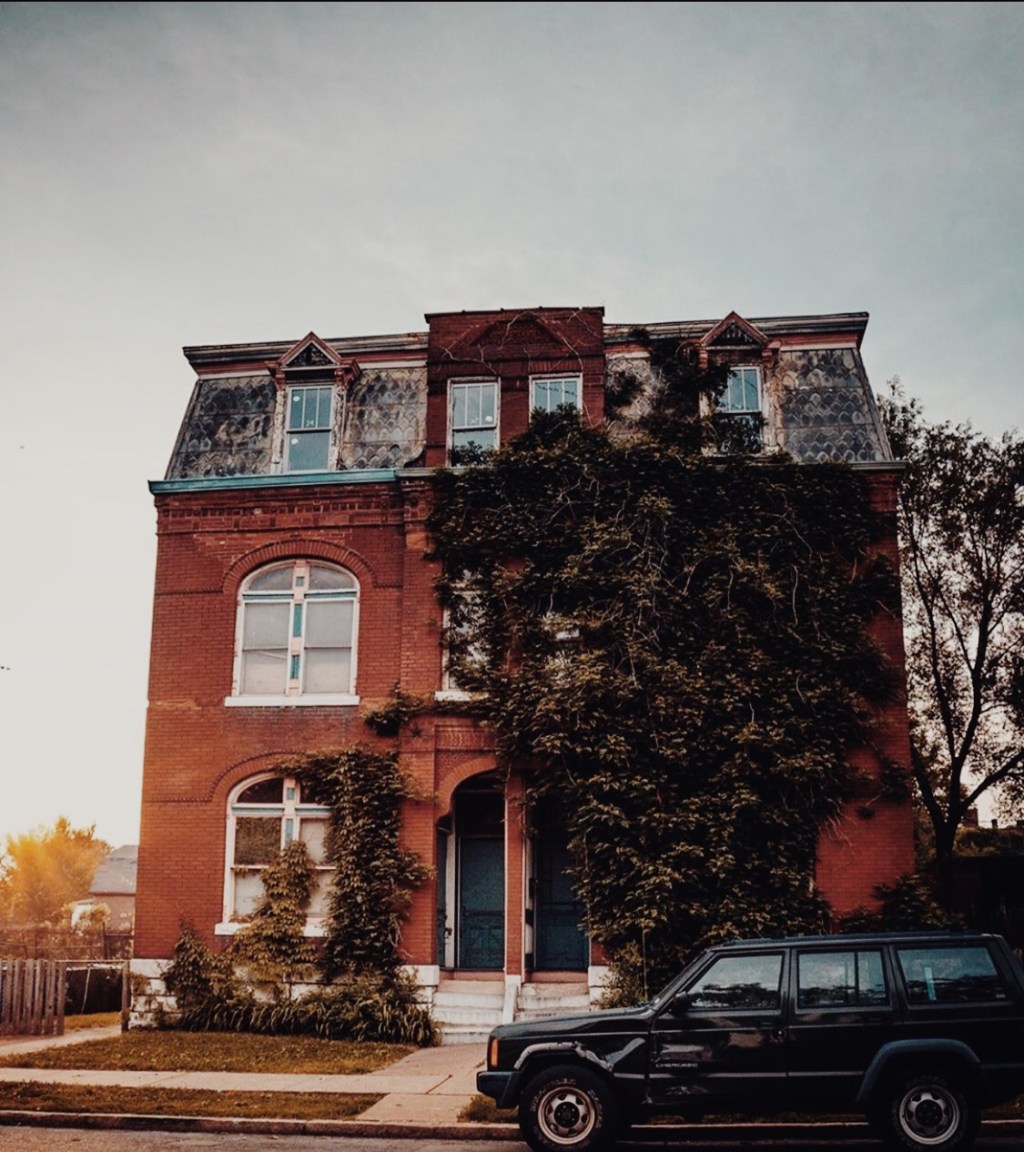
A Game Changer in my Saint Louis Community.
This semester I decided to say “yes” to things that I would normally say “no” to.
I dropped a tutoring organization on campus that I felt wasn’t exactly fitting the mission I set out to do in making an impact in the communities sidelined to the poorest zip codes in the greater Saint Louis area. I had heard about the “SLU bubble” as soon as I arrived on campus and was determined to leave it when the opportunity came.
I first met the organizers of Claver House, the new organization that I volunteer at, at a community outreach fair on my way to class. Their goal is to provide literacy and science-enriched activities in a hands-on fashion, working directly with the children living in the Ville District in North Saint Louis. From hearing this, it seemed to fit everything I was looking for in a volunteer organization; it was interactive, far from the familiarity of SLU’s campus, and impactful in a completely forgotten community. At the start of the second semester, I pulled out the Claver House business card I received months earlier and sent the organizers an email to start volunteering there right away.
After weeks of trying to find transportation, I eventually found myself on a public bus taking me further into the outskirts of central Saint Louis, where the organization was grounded. I learned quite a bit about neighborhoods like the Ville in my sociology class throughout the semester. It physically fit the stereotype of an inner-city neighborhood: run-down gray buildings and abandonment, which diverged from the bustling motion of college life in Midtown.
When I step inside, the smell of pancakes wafts through the air. Every Saturday morning, breakfast gets cooked: pancakes, sausage, and orange juice, along with conversations catching up from the week. Within the house, you’ll find little crevices that open into rooms with various STEM, literacy, and art activities. Each room has a different purpose: one might be building the robot arm to shoot hoops and another might be preparing saltwater solutions to watch brine shrimp hatch. However, the overarching goal is to aid in each child’s learning in hands-on activities beyond the rigidity of the classroom.
Rooms also contain shelves of donated books or whiteboards used for challenging the kids in solving quick arithmetic problems. Every wall of the house is surfaced with words of encouragement, and newspaper clippings of heroic African American individuals like MLK, Barack Obama, and Kobe Bryant. In a way, everywhere they look, they’re given constant reinforcement to be fearless in seizing opportunities and dreaming big.
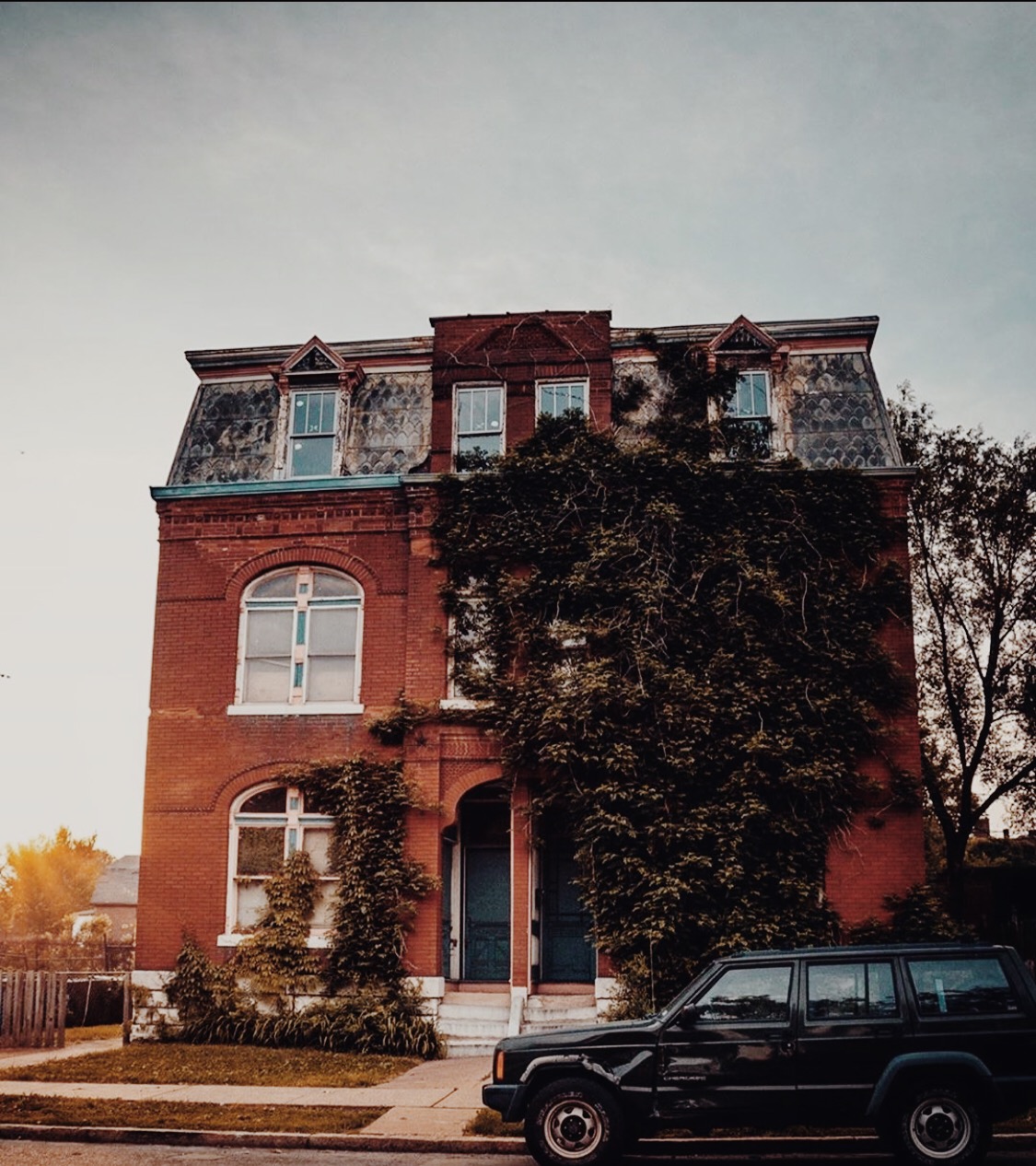
Claver house is in the process of re-establishing their presence as a place for children to escape their realities. The neighborhood’s experiencing a slow abandonment, as families move in hopes of finding better opportunities and safety for their children. Claver House began having personal transportation to pick up the remainder of the children that had no means of arriving every weekend. Once that began to threaten the safety of volunteers and the kids, the only thing the organization could do was to continue its mission. Together, undergraduate students, college alumni, Jesuits, and dedicated volunteers from the community actively work to change the path for these kids and future generations.
My experiences at Claver House have only encouraged me to explore opportunities that lie outside–outside SLU’s campus, outside my comfort zone, and outside the familiarity of the people and area of Saint Louis I thought I knew all this time. With a city of over 300,000 people, it’s known that we don’t all live the same way. I encourage you to find those opportunities that are in those zip codes you may often find yourself avoiding. After all, it’s those opportunities that may be the most rewarding and impactful.
 Personal Reflections
Leave a comment