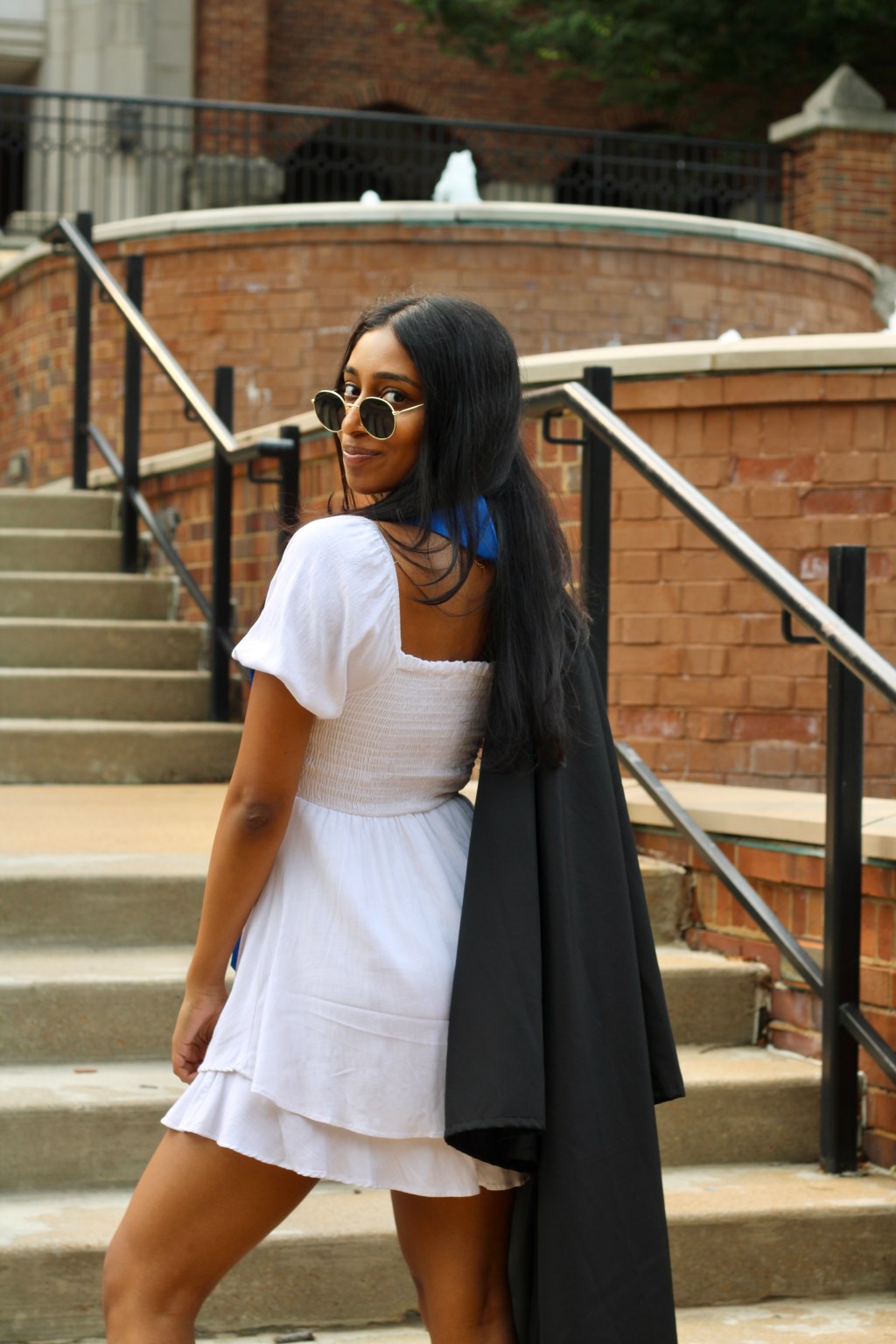
Graduating college almost three months ago was just like any ordinary day. I’d woken up to the sound of the 8:30 am garbage truck making a hodgepodge of thuds and hisses, as it temporarily obstructed the morning light that soaked into my second floor apartment. A door unlocked, and the click echoed off the thin walls of all four bedrooms, making the breadth of our 300 square foot space feel bigger than usual. The door swung open, jostling the cobwebs collecting in the crevice of the kitchen our broken vacuum could never grab. One of my roommates walked out with the same t-shirt towel plopped on her head until her damp hair mixed with the residue of morning dew. We’d exchanged a few hellos and all the insignificant details that had occurred prior to and following our slumber. Our omelets sizzled in adjacent stovetops and our iced coffees curated from the Nestle instant coffee powder all the coffee conneseuirs rebuffed at waited at our bar seats. Each morning mirrored the one before and the one after, and I found solace in a routine unintentionally curated to an imperfect redundancy.
This had been a completely contradicting trend for the majority of my college experience, as I unexpectedly committed to a small school in Saint Louis, Missouri that I forgot I had even applied to in the first place. A 24 hour round trip down south to a city I had vaguely heard of dissipated the Christmas gift of matching Michigan hats and all the hopes that came with them. By the following year, the pandemic had become bigger than a few whispers and irrational bouts of hoarding toilet paper when it tossed a portion of a normal college experience into the confinements of my childhood bedroom. I began applying to medical school as the hidden black mold of American healthcare painted by skewed statistics and overzealous calls for change exposed itself past the chipping paint. The pillars of my naive beliefs from a sheltered utopia crumbled, leaving me to reassess what my role in this entanglement would be. Yet, even as the next year restored a sense of normalcy, that time suddenly left me in a constant tussle with a version of myself outgrowing a place at the expense of my questioning morality and strung-out relationships.
If anything, it proved that redundancy is nothing but a double-edged sword, one created from a place of a comfort in resisting instability but also as an emerging warning in the potential loss of people, places, interests, and pieces of yourself. Even as I woke up to the cacophony of sounds, ate the same eggs and milked-down coffee each morning in my college apartment, it was evident that nothing nor no one is guaranteed to be permanent.
I watched the film Past Lives a few weeks ago, which unfolded it’s own beautiful rendition of this idea. When the mother is asked about the reason they’re leaving Korea, she responds that with everything you lose, you gain something else. My worldly inhibitions were limitless as an 18 year old; I knew everything. I meticulously curated timelines and plans thinking that if I lived a certain way everyday that I would stay on track to achieving my fate scribbled in a neon pink journal. It resisted me to change, even when I was forced to. Yet, four years later, the thing I’ve lost and gained at 22 is knowing nothing, embracing the mystery, rolling with the punches, going with the flow amidst one of the most major changes I’ve had to experience thus far.
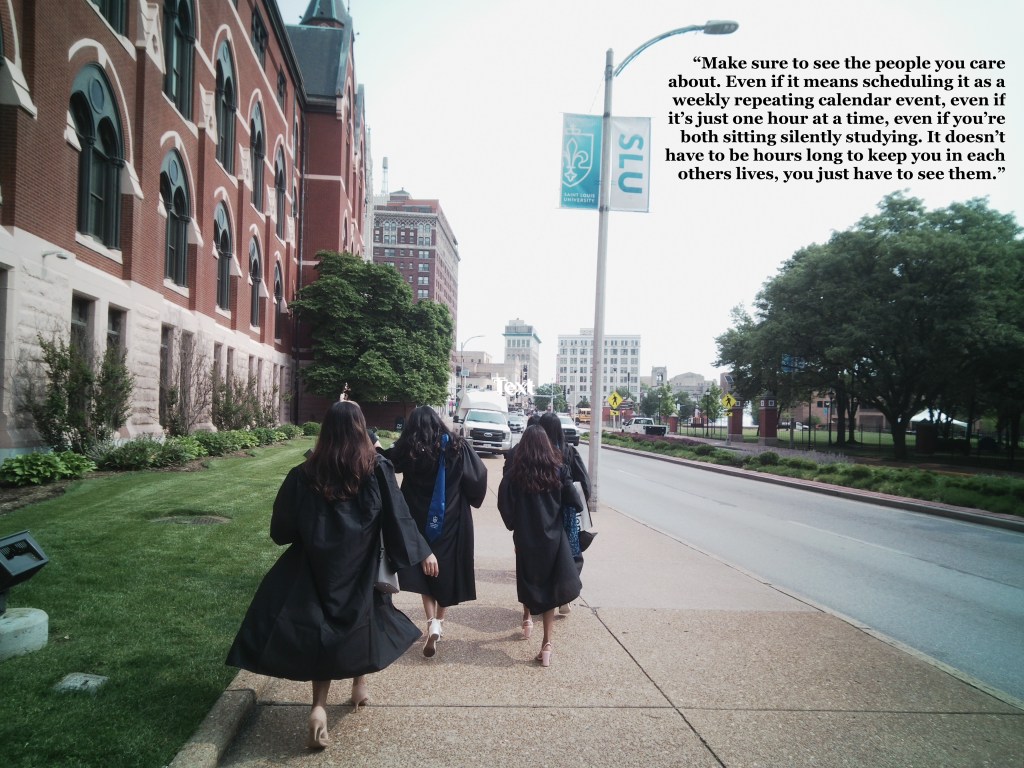
Moreover, the last four years were molded by my people- those who saw me at my worst, accepting the flaws I’d curated in my growing pains. They say the people make the experience, not just the place. So, I had to ask a few of my recently graduated friends to share their own takeaways, as well.
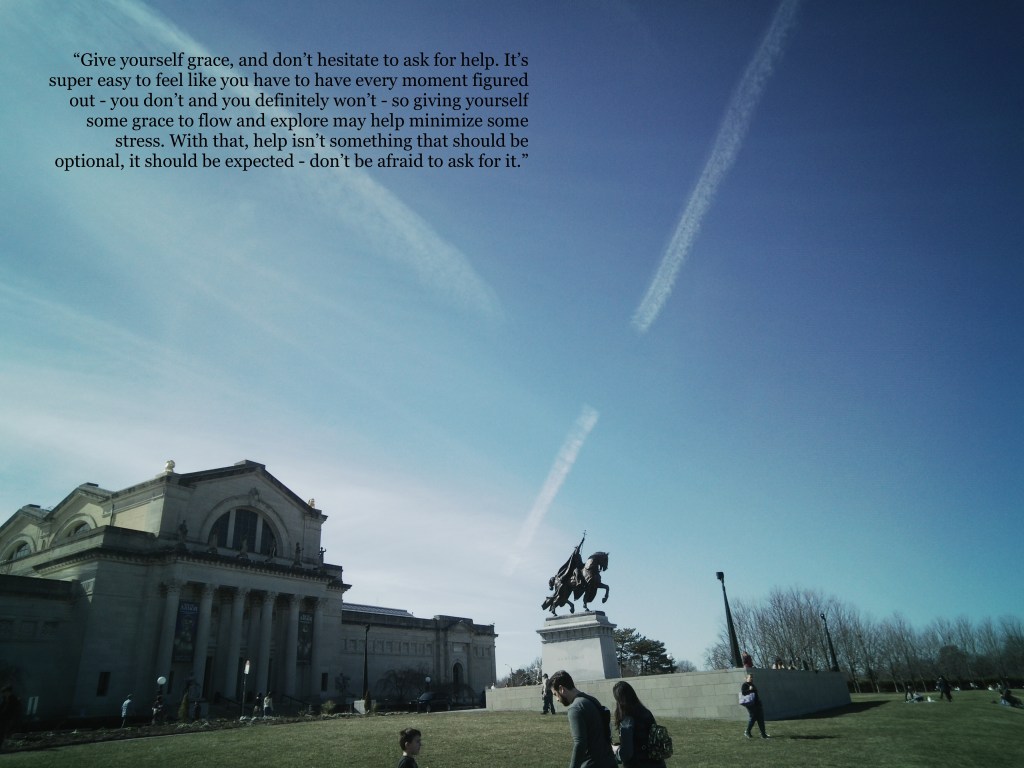
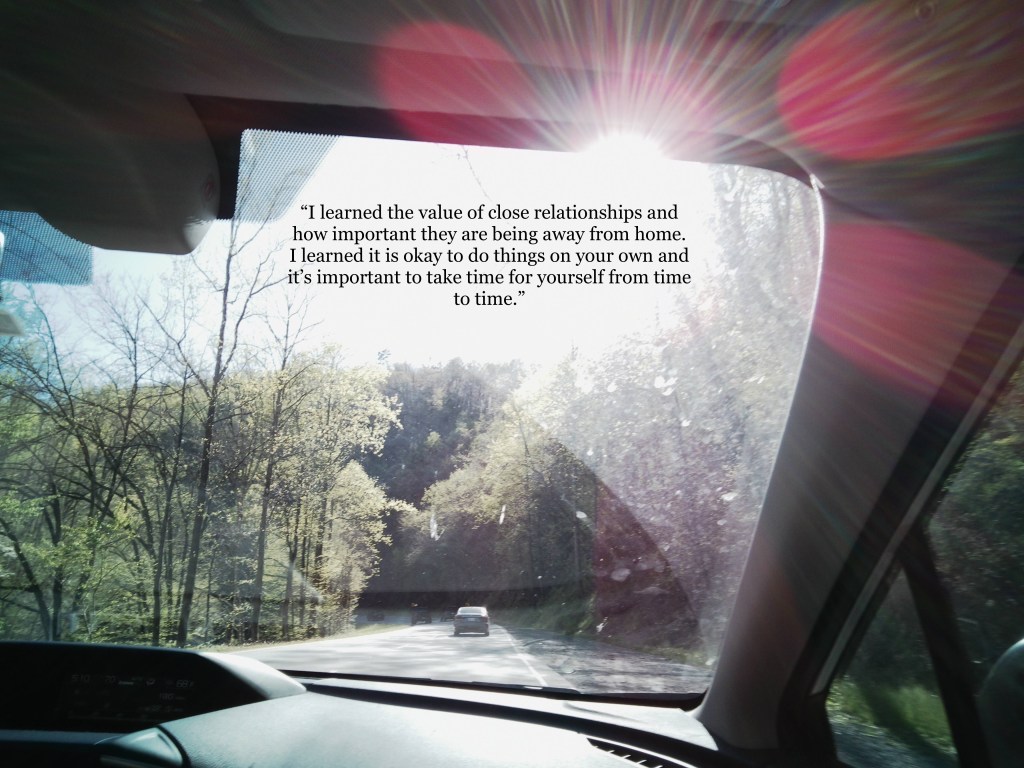
 Personal Reflections
Leave a comment